
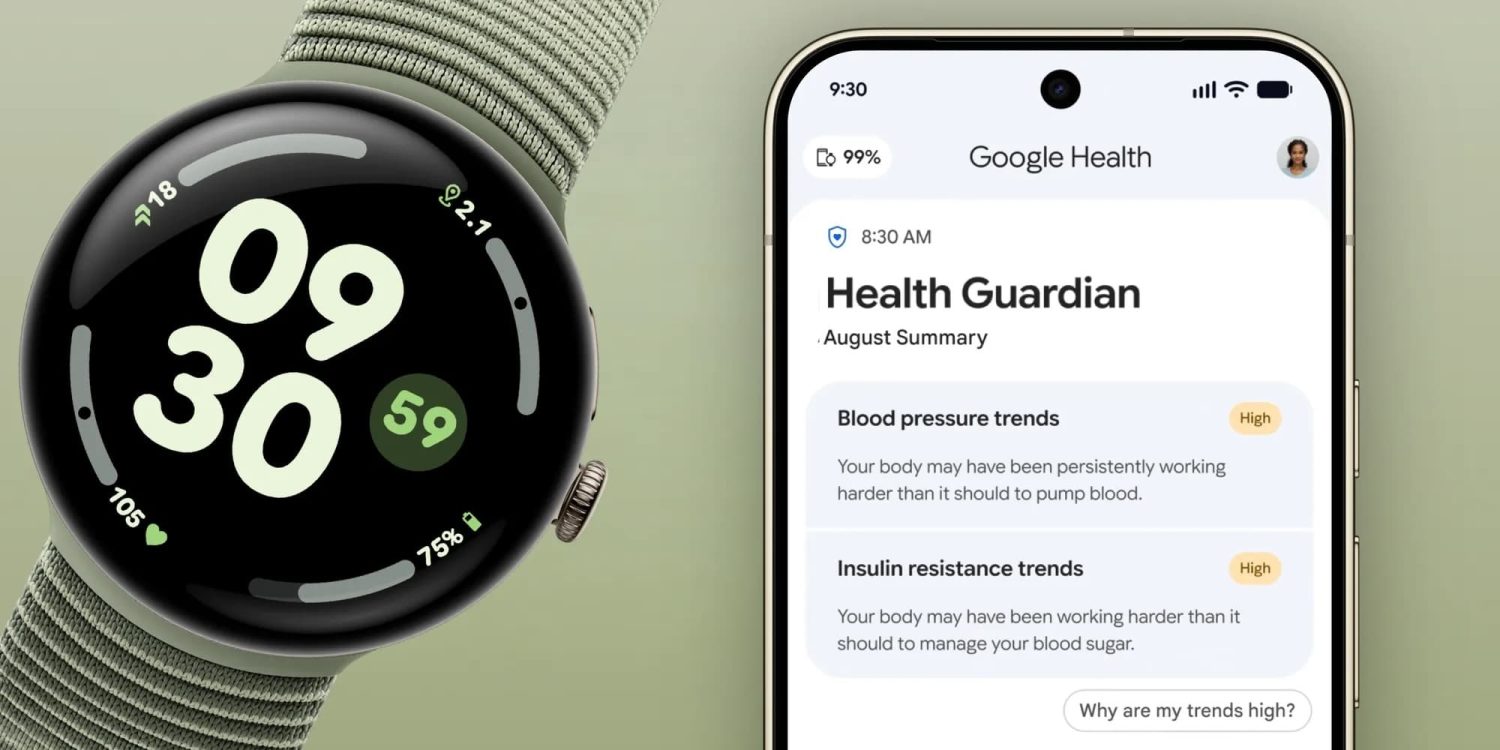
Google Health version 5.09 expands Cardio Load metrics to incorporate workouts synced from third-party fitness applications.
Introduction (The Lede)
Google has begun rolling out version 5.09 of its Health platform, delivering a major update that enables the platform to calculate Cardio Load from workouts logged via compatible third-party applications. The update significantly enhances Android's unified fitness architecture by removing tracking silos between native Google devices and external workout platforms.
The Core Details
The version 5.09 release focuses on bridging data streams between external apps and Google's algorithmic recovery and exertion models. Key additions in the update include:
- Third-Party Cardio Load Calculation: Workouts synced via Health Connect from supported third-party fitness platforms can now contribute directly to a user's daily and rolling Cardio Load scores.
- Comprehensive Metric Aggregation: Heart rate, intensity zones, and duration data logged externally are normalized to prevent duplicate scoring or skewed recovery targets.
- Stability and Sync Enhancements: Performance refinements targeted at reducing data synchronization latency across paired wearable devices and linked companion services.
- Availability: The update is rolling out in stages via the Google Play Store for compatible Android devices running current Google Play services.
Context & Market Position
Google initially introduced Cardio Load as a flagship metric to help users balance cardiovascular strain with daily readiness targets, positioning it as a direct competitor to Apple's Training Load in watchOS 11, Garmin's Training Status, and Whoop's Strain metrics. Previously, accurately populating recovery and strain metrics often required users to record activities exclusively within first-party interfaces. By allowing third-party services—such as dedicated cycling computers or specialized running trackers—to feed into the primary metric, Google is positioning Health Connect as a genuinely open wellness repository rather than a locked ecosystem.
Why It Matters (The Analysis)
For end users, this update eliminates the fragmentation penalty associated with utilizing specialized fitness hardware. Athletes rarely track every activity on a single smartwatch; cyclists often rely on bike computers, while runners frequently prefer specialized GPS units or niche tracking software. Factoring external workouts into the Cardio Load algorithm provides users with an accurate, aggregate picture of physiological fatigue without forcing them to abandon preferred third-party platforms. Industrially, it reinforces Google's ongoing commitment to making Android a flexible foundation for modern digital health tracking.
What's Next
Google Health 5.09 is deploying gradually across global regions. Third-party developers supporting Health Connect must ensure their exported workout payloads provide compliant heart-rate zone metrics to allow Cardio Load algorithms to compute strain values accurately.