YouTube is rolling out new disclosure labels across YouTube Music and its main platform, requiring creators to tag content that is generated or significantly altered using artificial intelligence.
Introduction (The Lede)
In a major push toward transparency in digital audio streaming, YouTube has begun implementing mandatory labels on YouTube Music to identify tracks created or meaningfully altered using generative artificial intelligence. The move aims to give listeners clear visibility into whether the vocals, instrumentation, or production they are hearing are the work of human artists or algorithmic synthesis.
The Core Details
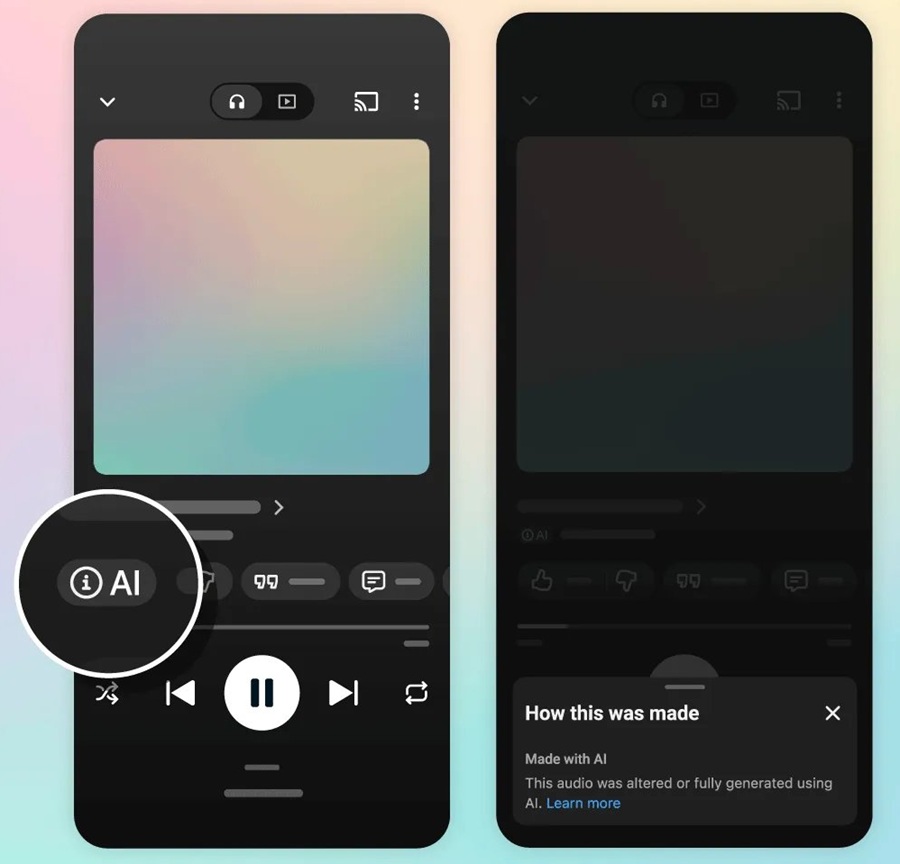
The new disclosure framework integrates with YouTube's Creator Studio, requiring uploaders to specify when content contains realistic synthetic elements. For music releases and videos, these disclosures manifest as visible tags across the interface:
- Expanded Description Tagging: Most tracks featuring synthetic elements display an 'Altered or synthetic content' tag in the description box, stating that audio or visuals were digitally modified or generated.
- Prominent Player Badges: For sensitive topics or highly realistic synthetic audio that could mislead listeners, a more prominent badge is applied directly to the video or track player.
- Creator Obligations: Artists, producers, and labels are required to self-disclose generative AI usage, covering realistic cloned vocals, synthesized instruments, and algorithmically generated compositions.
- Automated & Manual Enforcement: Content creators who consistently fail to disclose synthetic elements risk penalties, including content removal, suspension from the YouTube Partner Program, or account termination.
Context & Market Position
The streaming industry has faced mounting pressure from record labels, rights holders, and regulatory bodies following a surge in unauthorized AI voice clones and synthetic tracks flooding digital service providers (DSPs). Platforms like Spotify, Apple Music, and Deezer have pursued varying strategies to moderate synthetic audio, ranging from purge operations of fraudulent streams to bespoke watermarking partnerships. YouTube's initiative builds upon its previously announced AI music principles developed alongside major stakeholders like Universal Music Group (UMG), positioning the platform as a cooperative partner to traditional music publishers rather than a purely disruptive force.
Why It Matters (The Analysis)
The rollout addresses widespread industry concerns over intellectual property theft, artist identity protection, and consumer trust. By systematically identifying synthetic audio, YouTube enables consumers to differentiate authentic artist performances from algorithmic compositions. For independent creators and legacy artists alike, the system establishes a compliance precedent that protects name, image, likeness, and voice (NILV) rights. Economically, this transparency is critical for streaming royalty allocation, ensuring that human-created catalogs are not covertly diluted by automated, high-volume synthetic production farms.
What's Next
YouTube plans to expand its automated detection technologies to catch undisclosed synthetic audio and voice clones that evade manual self-tagging. The company is also collaborating with industry bodies on standardizing digital audio provenance and content credentials (C2PA), which could eventually allow platforms to verify audio authenticity cryptographically before ingestion.