

Technology News
-
Nov 06, 2026
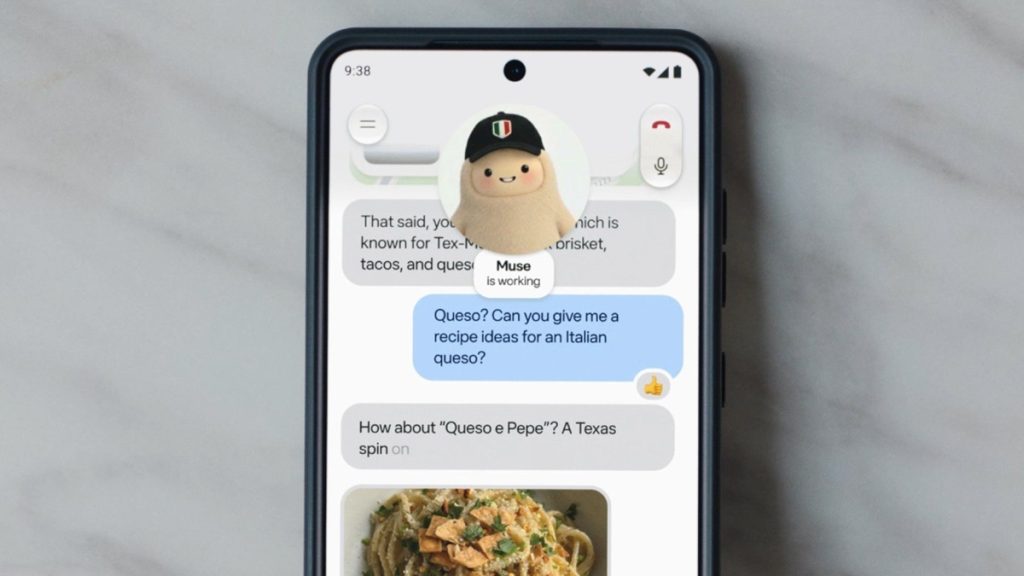
Meta has updated its Muse application with real-time voice interactions and expressive digital avatars, advancing multimodal AI companions across mobile and spatial platforms.
The Announcement
Meta has officially updated its experimental creative and conversational app, Muse, introducing support for real-time voice conversations accompanied by dynamic, expressive avatars. The feature update shifts the app from text-based interaction toward an immersive speech-to-speech model, allowing users to converse naturally with AI characters while observing real-time facial expressions, gestures, and audio lip-syncing.
The move represents Meta's effort to integrate its open-weight language modeling infrastructure with visual animation pipelines, giving voice AI a physical and emotional presence. Designed to act as a creative assistant and conversational companion, the updated Muse experience leverages low-latency audio processing to simulate natural human speech cadences and conversational pacing.
Key Specifications & What Changed
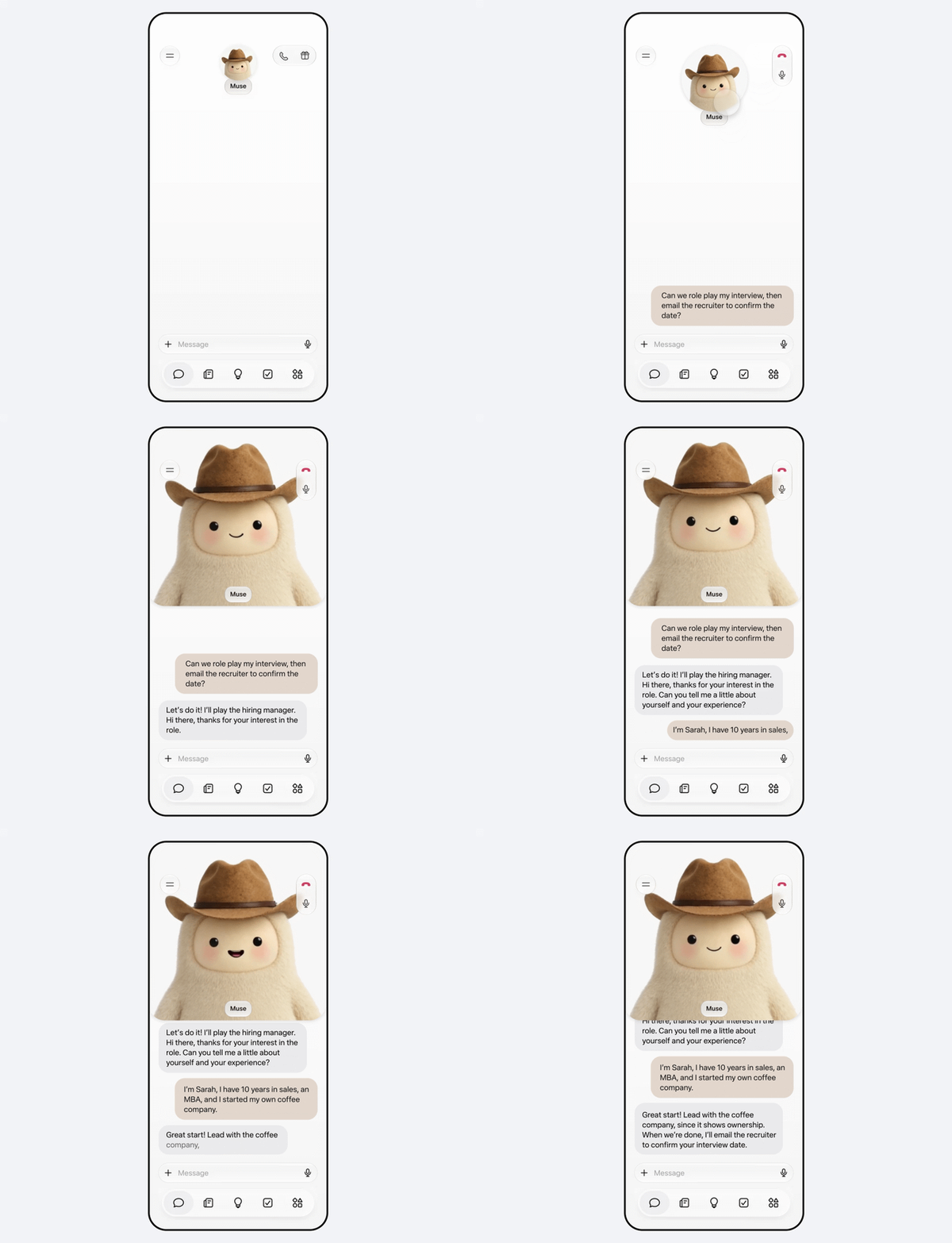
The technical enhancements focused on minimizing latency while aligning visual assets with generated speech outputs. Key specifications and platform upgrades include:
- Real-Time Speech Engine: Low-latency voice processing engineered to reduce response delay, enabling interruptions and natural pauses without breaking interaction flow.
- Expressive Avatar Rendering: Real-time lip-syncing, micro-expressions, and eye movement tied dynamically to synthesized emotional tones in the voice output.
- Model Backend: Powered by optimized iterations of Meta's Llama model architecture, handling multi-turn contextual memory and character personality styling.
- Customization Options: Flexible voice styles, tonal controls, and visual modifications for avatars to suit different creative or task-oriented scenarios.
Market Context & Competitor Comparison
Meta's update places Muse directly in competition with major real-time voice platforms, notably OpenAI's Advanced Voice Mode in ChatGPT and Google's Gemini Live. While OpenAI and Google have prioritized pure audio-to-audio fluid intelligence, Meta's strategy differentiates itself by pairing high-fidelity spatial visual representation with voice interaction.
By bringing expressive visual avatars into the equation, Meta leverages its extensive background in 3D graphic rendering built for the Horizon ecosystem and Quest VR platform. Unlike Character.AI, which relies heavily on static visual representations and text/voice outputs, Muse aims to offer unified real-time animation synced directly to speech synthesis.
Why It Matters
For everyday users and content creators, real-time voice paired with dynamic visuals lowers the friction of interacting with generative AI tools. Users can brainstorm, roleplay, or seek assistance using hands-free spoken queries while receiving visual reinforcement through expressive feedback.
For the wider tech industry, this release serves as an early deployment test for future integration into hardware platforms, such as the Ray-Ban Meta smart glasses and Meta Quest headsets. Developing low-latency avatar animation tied to speech-to-speech processing is a critical building block for future spatial computing interfaces, virtual assistance, and telepresence applications.
Availability & What's Next
The updated features are rolling out gradually within the Meta Muse app across targeted platforms. Meta plans to iterate on regional availability and hardware performance optimizations over coming software cycles.
Choosya Verdict: Meta's addition of real-time voice and expressive animation elevates Muse beyond standard chatbot interactions. While latency stability across varied network conditions remains to be fully evaluated in wide release, Meta's visual-first approach creates a distinct value proposition in an increasingly crowded voice-AI landscape.
Share: